Skip to content
Let’s be honest, nothing dates a beautiful South Shore home quite like a dingy, discolored textured ceiling. Whether you’ve just moved into a classic ranch in Weymouth or you’re looking to brighten up your longtime family home in Hingham, you’ve probably looked up at that texture and wondered if a fresh coat of paint could save it. The good news is that you can absolutely paint a stucco ceiling to give your space a modern, clean feel without the mess of a full removal.
However, between our humid South Shore summers and the unique way salt air interacts with interior finishes, this isn’t your average weekend DIY wall project. From choosing the right stucco ceiling paint to mastering the one-pass rolling technique, there is a bit of a learning curve. In this guide, we’ll walk you through everything you need to know to refresh your home, avoid a massive mess, and ensure your ceiling stays beautiful for years to come.
Let’s dive into all the details now!
What to Know Before You Paint a Stucco Ceiling in South Shore, MA

Before you grab your paintbrush, you must evaluate the structural integrity of your texture. Stucco and popcorn ceilings in older New England homes can be fragile. If the material is flaking or shows signs of previous water damage from harsh winters, a simple coat of paint won’t fix the problem, it might actually make the texture fall off in clumps.
Familiarize yourself with how to paint stucco ceiling surfaces by checking for asbestos if your home was built before 1980. Once safety is confirmed, verify the surface is bone-dry. In our coastal climate, moisture often hides in the peaks of the texture. You’ll need a high-quality masonry primer and ceiling paint specifically formulated to soak into porous surfaces without weighing them down.
Cost to Paint a Stucco Ceiling in South Shore, MA: Real 2026 Price Breakdown
Painting a textured ceiling is significantly more labor-intensive than painting a flat one. In the South Shore area, professional labor rates reflect the high demand for quality contractors.
| Item | Estimated Cost (Per Sq. Ft.) | Notes |
| Materials Only | $0.85 – $1.25 | Includes premium primer and elastomeric paint. |
| Labor Only | $2.15 – $4.25 | Professional rates in the Hingham/Quincy area. |
| Repair Contingency | + 10% – 15% | Budget for hidden water stains or crack repair. |
| Total Professional | $3.00 – $5.50 | All-in average for the South Shore. |
The total cost for a professional job in a standard 12×12 room typically ranges from $430 to $790 (plus repairs). Factors like ceiling height, vaulted ceilings are common in Scituate, and the amount of furniture protection required will influence the final quote.
How to Paint a Stucco Ceiling the Right Way (Step-by-Step Prep & Process)
A flawless Interior house painting depends entirely on the invisible work done before the paint is opened. Here are some things to consider as you plan to paint your stucco ceiling in South Shore:
Proper Surface Inspection and Repairs
Start by checking for areas where coastal humidity has weakened the bond between the texture and the drywall. Address settlement cracks with a flexible patching compound. This is the stage at which you determine which repairs to include in the final cost. Catching a structural issue now is much cheaper than fixing it after the paint starts peeling.
Cleaning and Priming Textured Surfaces
Stucco acts as a giant sponge for dust and cooking oils. Use a vacuum with a soft brush attachment to remove debris. Once clean, apply a masonry primer. This creates a chemical bond that prevents the paint from pulling the texture off the ceiling during application.
Application Methods: Sprayer vs. Thick-Nap Roller
- Airless Sprayer: This is the professional standard. It provides even coverage without touching the fragile texture, though it requires extensive plastic masking to protect your home from overspray.
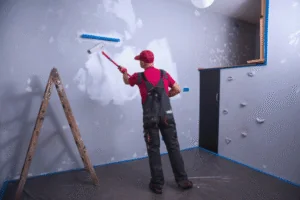
- Thick-Nap Roller: If you must use a roller, choose a ¾-inch to 1-inch nap. This allows you to push paint into the crevices. Be warned: rolling too many times in one spot will soften the stucco and cause it to peel off.
Choosing the Right Stucco Ceiling Paint for Coastal Massachusetts Homes

Coastal homes in Plymouth or Marshfield often experience higher internal humidity. Look for high-quality, mildew-resistant paint with a high solids content.
- Finish: Always opt for flat or ultra-matte. Textured ceilings are designed to hide imperfections; a glossy finish will highlight every bump and crack.
- Type: Acrylic-latex is the standard, but for older homes with potential moisture issues, an elastomeric paint provides a flexible bridge that can span small hairline cracks.
Common Mistakes Homeowners Make When They Paint a Stucco Ceiling
The most expensive mistake you can make is overworking the paint. When you paint this type of ceiling, the moisture in the paint temporarily softens the texture. If you keep rolling over the same spot, the stucco will simply fall off. Other pitfalls include:
- Skipping the Primer: Paint will soak in unevenly, leaving a patchy look.
- Poor Ventilation: In humid South Shore summers, failing to use a dehumidifier can lead to paint sagging before it dries.
When Hiring a Professional Painter Makes Financial Sense
While many tackle this as a DIY project, it can quickly turn into a messy disaster.
Signs the Job Is More Complex Than It Looks
If your ceiling is over 10 feet high, has significant water staining, or if the texture is crumbly to the touch, it is no longer a beginner project. Professionals use airless sprayers that apply paint with minimal weight, preserving the texture.
What Licensed Massachusetts Contractors Typically Provide
A licensed South Shore contractor handles the plastic fortress, the total encapsulation of your room to protect floors and walls. They also provide the high-end equipment needed to reach vaulted ceilings safely and efficiently.
Does Painting a Stucco Ceiling Improve Home Value?
Absolutely. A fresh, bright ceiling is one of the most cost-effective ways to update a south shore home.
- Increased Natural Light: Fresh white paint reflects coastal light, making rooms feel larger.
- Removing the Dated Feel: Clean stucco looks intentional; stained, graying stucco looks neglected.
- Market Readiness: Buyers are often wary of popcorn or stucco ceilings. A freshly painted, clean surface removes that hesitation.
Best Time of Year to Paint a Stucco Ceiling in South Shore, MA

Timing is everything. The best time is during late spring (May) or early fall (September/October). During these windows, South Shore humidity is at its lowest, and temperatures are mild enough to keep windows open for ventilation without freezing the paint. Avoid the dog days of August, as the high humidity will prevent the paint from curing properly, leading to potential peeling.
Thinking about painting your stucco ceiling? Let South Shore Painting Contractors handle the prep, protection, and flawless finish. Get your free consultation now.
FAQs – Painting a Stucco Ceiling in South Shore
1. How much does it cost to paint a stucco ceiling per square foot?
In 2026, South Shore homeowners can expect to pay between $3.00 and $5.50 per square foot for professional service. This total includes the heavy preparation, masking, specialized priming, and the paint itself.
2. Can I paint without spraying equipment?
Yes, but you must use a thick-nap roller (1 inch is best) and work in small sections. Be careful not to over-roll, as the moisture can cause the texture to release from the drywall.
3. What type of paint works best on textured or stucco ceilings?
A premium flat acrylic-latex or an elastomeric paint is best. Flat finishes are crucial because they absorb light rather than reflect it, thereby hiding the shadows created by the heavy texture.
4. How long does it take for stucco ceiling paint to dry in humid weather?
In coastal Massachusetts, expect a dry time of 6 to 12 hours. However, you should wait at least 24 hours before applying a second coat or removing any masking tape to ensure the bond is secure.
5. Is it safe to paint over mold?
No, interior painting is considered cosmetic maintenance and does not require a building permit. However, if you are removing texture that may contain asbestos, you must follow strict Massachusetts DEP disposal regulations.
6. How do I prevent peeling or cracking after painting?
The secret is the primer. Using a high-adhesion masonry primer seals the porous stucco and provides a grip for the topcoat. Additionally, maintain a consistent indoor temperature during the 48-hour curing process.