Skip to content

How Often Should You Paint Your House Exterior?
Most homes need exterior painting every 5 to 10 years, but the right schedule depends on your siding, paint quality, surface preparation, and local weather. On Massachusetts’ South Shore, salt air, humidity, strong summer sun, and freeze-thaw cycles can shorten an exterior paint job’s life.
A home in Scituate or Cohasset may need attention sooner than a similar property farther inland. Wood siding and trim are particularly vulnerable to moisture, while exposed surfaces can fade and deteriorate faster.
The good news is that you don’t have to guess when it’s time to repaint. Peeling paint, cracking, fading, and chalky surfaces can all signal that your home’s protective coating is wearing out.
Knowing how often to paint a home’s exterior helps protect your siding and trim from weather damage. Understanding exterior paint lifespan and recognizing when to repaint house exterior surfaces can help you plan maintenance before peeling, cracking, and fading become bigger problems.

How Long Does Exterior Paint Last?
Exterior paint lifespan varies by material and exposure. The following ranges are general estimates for properly prepared and painted surfaces, not guarantees.
| Exterior surface | Typical paint lifespan | What affects durability? |
| Wood siding and trim | 5–7 years | Moisture, peeling, sun exposure, and maintenance |
| Fiber cement siding | 8–12 years | Surface preparation, paint quality, and installation |
| Brick and masonry | 10–15 years | Moisture levels, coating type, and surface condition |
| Vinyl siding | Varies by product and conditions | Paint compatibility, expansion, and temperature changes |
These timelines can change significantly depending on the home’s condition and location. Homes close to the ocean or exposed to strong winds may need more frequent maintenance.
How often to paint a home’s exterior depends on its exposure to sun, moisture, and salt air. These conditions affect exterior paint lifespan, especially on coastal homes. Regular inspections help you spot early wear and plan repainting before the damage spreads.
How Coastal Massachusetts Weather Affects Exterior Paint
South Shore homes face several conditions that can wear down exterior coatings.
- Salt air: Salt deposits can accumulate on siding, trim, and window frames. Combined with moisture, these deposits can contribute to coating deterioration.
- Freeze-thaw cycles: Water that enters cracks or damaged paint can freeze and expand, worsening peeling and surface damage.
- Humidity and rain: Damp conditions encourage mildew growth and can contribute to paint failure when moisture becomes trapped.
- Sunlight and UV exposure: Strong sunlight breaks down paint binders over time, causing fading, chalking, and reduced protection.
Homes in Scituate, Duxbury, Marshfield, and Cohasset may experience several of these conditions at once. If your property is close to the water or exposed to harsh weather, inspect its exterior annually rather than relying on a fixed repainting schedule.
6 Signs It’s Time to Repaint Your House Exterior
Understanding how often to paint a home’s exterior can help you catch paint failure early. If you’re painting exterior trim that is peeling, proper scraping and priming are essential. Knowing when to repaint house exterior surfaces helps prevent recurring problems and protect the wood underneath.
The good news? You don’t have to wait until the paint starts falling off to find out. A few common signs can tell you when it’s time to repaint and help you catch problems before they get worse.
1. Peeling or Flaking Paint
If you notice paint peeling around your windows, doors, or trim, it’s a sign that the finish is starting to fail. This often happens when moisture gets beneath the paint.
Painting exterior trim that’s peeling takes more than a fresh coat. The loose paint needs to be removed, the surface prepared, and any bare wood primed before repainting. Otherwise, the new paint may peel too.
Check the wood underneath, too. If it feels soft or looks damaged, repairs may be needed before painting.
2. Cracked Paint
Small cracks in your paint might not look like a big deal, but they can let moisture reach the surface underneath. Over time, that moisture can damage wood siding and trim.
Pay close attention to window frames, joints, and weather-exposed areas. If cracks are spreading across your home’s exterior, it may be time to have the paint and siding checked.
3. Blistering or Bubbling Paint
Bubbles in your paint can mean moisture is trapped beneath the surface or the paint was applied in excessive heat.
Don’t simply paint over the bubbles. Remove the affected paint, and address the cause before applying a new coat. Otherwise, the same issue may return.
4. Faded or Uneven Color
Exterior paint naturally fades over time, especially after years of sun exposure. Walls that get the most direct sun, often those facing south or west, may lose their color faster.
Fading alone doesn’t always mean your paint has stopped protecting your home. However, if the color looks washed out or you also notice cracking or peeling, consider repainting.
5. A Chalky Film on the Surface
Have you noticed a powdery residue on your home’s siding? Run your hand over a small, dry area. If the paint leaves a chalky film on your fingers, it may be breaking down from age and sun exposure.
Light chalking can sometimes be addressed with proper cleaning and preparation. Heavy chalking may require additional treatment or primer to help the new paint adhere.
6. Mildew, Algae, or Damp Spots
Dark stains or green growth often appear on shaded walls, especially where trees block sunlight and moisture takes longer to dry.
Cleaning may be enough if the paint underneath is still in good condition. But if mildew keeps returning or the paint starts peeling, there may be an underlying moisture problem that needs attention before repainting.
Not sure if your home needs a full repaint or just a few touch-ups? South Shore Painting Contractors can assess your home’s exterior, identify areas that need attention, and help you decide on the next steps. Contact the team to request an estimate.

What Affects the Exterior Painting Schedule?
Several factors determine how often you need to paint your home’s exterior.
Siding Material and Condition
Wood siding requires regular maintenance because it responds to changes in moisture and temperature. Fiber cement is generally more dimensionally stable, while brick and masonry require coatings suited to their specific surface and moisture conditions.
Vinyl siding can also be painted when appropriate, but the product must be compatible with the material and follow the manufacturer’s requirements.
Previous Preparation and Paint Quality
A durable finish starts with a sound surface. Dirt, salt, mildew, loose paint, and unprimed bare wood can all contribute to premature failure.
Quality exterior paint helps protect your home, but even premium products cannot compensate for poor preparation or unresolved moisture problems.
Exposure and Maintenance
A sheltered wall may retain its finish longer than one exposed to direct sun, wind, and driving rain. Overhanging trees, drainage problems, and damaged gutters can also affect exterior condition.
Annual inspections help catch small problems before they become more expensive repairs.

How to Prepare Your House Exterior for Painting
Good preparation helps exterior paint last longer and prevents problems like peeling and blistering. Before painting, make sure the surfaces are clean, sound, and ready for a new coat.
1. Clean the Surface
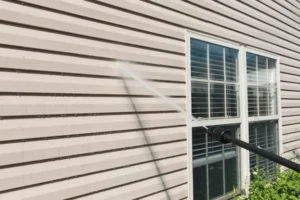
Remove dirt, salt, mildew, algae, and loose paint residue. Use a cleaning method suited to your siding to avoid damaging the surface or forcing water behind the boards. Let everything dry thoroughly before painting.
2. Remove Loose Paint
Scrape away peeling or flaking paint and sand rough edges for a smooth finish. Older homes may contain lead-based paint, especially those built before 1978. Follow EPA lead-safe requirements when working with potentially hazardous coatings.
3. Check for Damage
Look for rotting wood, cracked trim, damaged siding, and signs of moisture. Repair these problems before painting to help prevent further damage and premature paint failure.
4. Apply Primer Where Needed
Bare wood and other exposed surfaces may need primer to help the paint adhere properly. Choose a primer suited to the material and existing paint.
5. Choose the Right Paint and Conditions
Use exterior paint designed for your siding and local weather. Follow the manufacturer’s guidance for temperature, humidity, drying time, and recoating.
Taking time to prepare the surface properly helps your new paint job look better and last longer.
Choosing Exterior Paint for South Shore Homes
Determining how often to paint a home’s exterior affects your long-term maintenance budget. The cost to paint the exterior of houses depends on their size, condition, and preparation needs. Planning can help you address worn paint before more extensive repairs increase the expense.
Coastal New England weather calls for exterior paint that can handle moisture, temperature changes, and UV exposure.
Which Paint Type Is Best?
High-quality 100% acrylic latex is a common choice for exterior siding because it offers flexibility, color retention, and weathering resistance. The right product still depends on the substrate and the condition of the existing coating.
Oil-based and alkyd products may suit certain trim applications, but check compatibility with existing paint before use.
When selecting a product, consider:
- Moisture resistance: Important in humid conditions and areas exposed to driving rain.
- Flexibility: Helps the coating accommodate normal movement in wood and other substrates.
- UV resistance: Helps reduce fading and premature deterioration.
- Mildew resistance: Useful in shaded areas where moisture lingers.
- Surface compatibility: Ensures the product suits the siding or trim being painted.
What Paint Sheen Should You Choose?
| Surface | Common sheen | Main benefit |
| Wood or fiber cement siding | Satin or low-luster | A balance of appearance, durability, and cleanability |
| Exterior trim | Semi-gloss | A more washable finish that highlights details |
| Doors and selected accents | Satin or semi-gloss | A durable finish suited to frequent handling |
Color also matters. Dark colors can absorb more heat, which can increase stress on some siding and paint systems. Check the siding and paint manufacturer’s guidance before choosing a dramatic color change.

When Is the Best Time to Paint a House Exterior in Massachusetts?
Exterior painting depends on air temperature, surface temperature, humidity, and the forecast—not just the month.
In Massachusetts, late spring through early fall often provides the most practical painting window. May, June, and September can offer favorable conditions, although the weather varies each year.
Keep these points in mind:
- Follow the paint manufacturer’s minimum and maximum application temperatures.
- Avoid painting wet surfaces or when rain is expected, as the coating may not resist moisture.
- Allow morning dew to dry before starting work.
- Avoid excessively hot surfaces and conditions that cause paint to dry too quickly.
- Allow enough drying and curing time between coats.
Some exterior paints are formulated for application at lower temperatures than others. A professional should select the product and schedule based on its specifications and the actual weather conditions.

What Is the Cost to Paint the Exterior of a House?
The cost to paint the exterior of a house in the South Shore area depends on the home’s size, siding material, surface condition, paint selection, and preparation requirements.
A larger home with extensive trim may require considerably more labor than a smaller property with fewer details. Homes with peeling paint, damaged wood, or older coatings that require specialized handling may also need additional work.
| Cost factor | How it affects your estimate |
| Home size and layout | Determines the amount of paintable surface and labor required |
| Siding and trim | Different materials require different preparation and products |
| Existing paint condition | Extensive scraping, sanding, or priming adds labor |
| Repairs | Damaged siding and rotted trim may need replacement |
| Number of coats | Depends on the surface, color change, and product requirements |
| Access and complexity | Height, architectural details, and difficult access can affect labor |
No single price works for every home. An on-site assessment is the best way to establish an accurate scope and estimate.
Wondering how often to paint a home’s exterior? Look for fading, chalky residue, cracks, and peeling paint. Understanding exterior paint lifespan and knowing when to repaint house exterior surfaces can help you maintain your home’s appearance and protect it from moisture damage.
Why Proper Preparation Can Save Money
Choosing a contractor based on the lowest initial price can be costly if you skip essential preparation. Poorly bonded paint, untreated mildew, and unresolved moisture problems can cause a new coating to fail prematurely.
Proper exterior preparation helps protect siding and trim from weather damage. Addressing paint failure early may also reduce the risk of more extensive carpentry repairs.
When comparing estimates, ask what cleaning, scraping, sanding, priming, repairs, and finish coats are included. A clear scope makes it easier to compare contractors and understand each proposal’s value
Schedule Exterior Painting With South Shore Painting Contractors
Knowing when to repaint helps you protect your home’s siding, trim, and overall appearance. If your exterior has peeling paint, faded color, cracking, or recurring mildew, an inspection can help identify the work needed before the damage spreads.
South Shore Painting Contractors works with homeowners throughout the South Shore, including Quincy, Hingham, Scituate, Duxbury, Plymouth, and surrounding communities.
Knowing how often to paint a home’s exterior makes it easier to plan maintenance and avoid unexpected repairs. If you’re painting exterior trim that is peeling, address the underlying cause first. Consider the cost to paint the exterior of houses when budgeting for the project.
Contact South Shore Painting Contractors today to request a free exterior painting estimate and color consultation. Discuss your home’s condition, preparation requirements, and paint options with the team before deciding on the next step.

Frequently Asked Questions
How often should you paint a house exterior in coastal Massachusetts?
Most homes need repainting every 5–10 years. Wood siding may need paint every 5–7 years, while fiber cement can last 8–12 years. Homes near the ocean may need repainting sooner because of salt air, moisture, and sun exposure.
Can you paint over old exterior paint?
Yes, if the existing paint is clean, intact, and in good condition. Remove peeling, cracking, or blistering paint before repainting. Older homes may also need lead-safe preparation before you disturb existing paint.
When should you avoid painting your house exterior?
Avoid painting when surfaces are wet, rain is expected, or temperatures fall outside the paint manufacturer’s recommended range. High humidity and extreme heat can also affect drying and adhesion. Check the weather before scheduling your project.
What exterior paint lasts the longest in New England?
High-quality acrylic latex paint is a popular choice for New England homes because it resists weathering and handles temperature changes well. Proper surface preparation and application matter as much as paint quality when it comes to a long-lasting finish.
How much does it cost to paint a house exterior on the South Shore?
The cost depends on your home’s size, siding material, paint condition, and preparation needs. Peeling paint, damaged trim, and additional repairs can increase the price. Request an on-site estimate to get an accurate quote for your home.
Should you repaint your house before the paint starts peeling?
Yes, repainting at the first signs of wear can help protect your siding and trim from moisture damage. Check your home’s exterior each year for fading, chalking, small cracks, and peeling so you can address problems before they worsen.