Skip to content

If you own a home on the South Shore, you know how quickly Massachusetts weather can wear down exterior paint. Salt air, humid summers, freezing winters, and constant freeze-thaw cycles all take a toll on homes in Quincy, Hingham, Scituate, Duxbury, and surrounding communities.
Choosing the right time to paint is essential. Applying paint in poor weather can prevent proper adhesion and curing, leading to peeling, blistering, cracking, and a shorter lifespan. In general, the best time to paint the exterior of a house in Massachusetts is from late spring through early fall, with late summer and early fall typically offering the most consistent conditions.
In this guide, we’ll explain the ideal temperatures and weather conditions for exterior painting, what to avoid, why proper surface preparation matters, and how to ensure your home’s new paint job lasts for years. Let’s take a closer look at everything you need to know about exterior house painting tips for South Shore homeowners!
Key Takeaways
- The best time to paint the exterior of a house in Massachusetts is typically late August through early October, when mild temperatures, lower humidity, and stable weather create ideal painting conditions.
- For the longest-lasting exterior paint job, temperatures should generally stay between 50°F and 85°F with relative humidity between 40% and 70%, allowing paint to cure properly and bond to the surface.
- Proper surface preparation—including washing, scraping, sanding, repairing damaged wood, and priming—is often more important than the paint itself for maximizing paint lifespan.
- Avoid painting during extreme heat, freezing temperatures, high humidity, or before rain. Poor weather conditions can cause peeling, blistering, uneven curing, and premature paint failure.
- Most professionally painted homes in Massachusetts can expect an exterior paint lifespan of 8 to 12 years, although coastal properties exposed to salt air and harsh weather may require repainting sooner.
- High-quality 100% acrylic exterior paint offers the best durability for Massachusetts homes because it resists moisture, UV exposure, temperature changes, and coastal conditions better than traditional oil-based coatings.
- Scheduling your exterior painting project early helps secure the best weather window, allowing the paint to fully cure before winter while protecting your home from moisture, UV damage, and freeze-thaw cycles.
WHEN TEMPERATURE AND HUMIDITY CONTROL YOUR RESULTS
Temperature and humidity have the biggest impact on how well exterior paint adheres, cures, and lasts. Even the highest-quality paint can fail prematurely if it’s applied in poor conditions. For the best results, always follow the manufacturer’s recommended application range. Here’s what you need to know about finding the ideal temperature and humidity for exterior painting in the local area:
The Ideal Temperature for Exterior Home Painting
Most premium exterior latex paints perform best when air and surface temperatures stay between 50°F and 85°F during application and for several hours afterward while the paint cures. Some newer products can be applied at temperatures as low as 35°F, but only if the manufacturer specifically recommends it.
In Massachusetts, this generally makes late spring through early fall the best time to paint. During April and October, overnight temperatures can leave siding too cold even if the afternoon feels comfortable. Paint applied to cold surfaces cures slowly, reducing adhesion and increasing the risk of peeling, chalking, and premature failure.
Excessive heat creates the opposite problem. When surface temperatures climb above 90°F, especially on dark or sun-facing siding, paint can dry too quickly. The surface skins over before the coating fully cures, which may lead to blistering, uneven coverage, and reduced durability. Professional painters often work around the sun, painting shaded elevations first to maintain ideal conditions.
Best Time to Paint the Exterior of a House -Why Humidity Matters
Humidity is just as important as temperature. The ideal relative humidity for exterior painting is between 40% and 70%. Higher humidity slows curing, increasing the likelihood of runs, sagging, uneven sheen, and longer dry times.
Along the South Shore, coastal humidity, overnight dew, and sudden rain showers can all affect a paint job. Even if paint feels dry, it still needs time to cure before it’s exposed to moisture. Most exterior latex paints require at least four hours of dry weather, though high humidity may extend that window.
Professional painters don’t just check the temperature—they also monitor humidity, dew point, surface moisture, and the weather forecast before starting work. Choosing the right conditions helps maximize adhesion, improve the finish, and extend the life of your exterior paint investment.

THE BEST SEASONS TO PAINT YOUR HOME’S EXTERIOR IN MASSACHUSETTS
Massachusetts weather changes quickly, and each season affects how well exterior paint adheres, cures, and performs. Planning your project around the right conditions helps maximize the life of your investment and avoid premature paint failure.
Knowing the best time to paint Massachusetts homes helps ensure a longer-lasting finish and better protection from New England weather. Whether you’re planning exterior home painting or wondering can you paint a house in hot weather or can you paint a house in cold weather, choosing the right temperatures and conditions is essential for proper adhesion, curing, and long-term durability.
Here are some handy Massachusetts home painting tips you need to know:
Late Spring: A Strong Start
Late May and June typically offer mild temperatures and moderate humidity, making them an excellent time for exterior painting. It’s also ideal for homes that require extensive prep work, carpentry repairs, or priming before painting.
The biggest challenge is rainfall. Spring weather can delay projects, so it’s important to work with a painting contractor who monitors forecasts and schedules work around changing conditions. Homes with wood siding should also be given adequate time to dry after washing before paint is applied.
Late Summer and Early Fall: The Best Time to Paint
For most Massachusetts homeowners, late August through mid-October provides the most reliable conditions for exterior painting. Temperatures are more consistent, humidity typically drops after midsummer, and paint cures more evenly, producing a longer-lasting finish.
Because this is the busiest season for professional painters, scheduling early helps secure your preferred timeline. A properly prepared and painted home enters winter with a fully cured protective coating that withstands freeze-thaw cycles and coastal weather better.
Fall: How Late Is Too Late for South Shore Home Painting?
Early October is often an excellent time to paint, provided temperatures remain within the manufacturer’s recommended range. However, as overnight temperatures approach freezing, the risk of poor adhesion and slow curing increases.
Experienced painting contractors monitor air temperature, surface temperature, and weather forecasts before every application, ensuring conditions remain suitable for a durable finish. Once temperatures consistently fall below recommended levels, it’s best to postpone the project until spring.
Winter and Early Spring: Better for Planning Than Painting
Winter and early spring are generally not suitable for exterior painting in Massachusetts. Cold temperatures, damp surfaces, and inconsistent weather prevent most exterior coatings from curing properly, increasing the risk of peeling and early failure.
Instead, use the off-season to schedule your project, choose colors, and arrange any needed repairs. Booking early often provides greater scheduling flexibility once ideal painting weather returns and makes it easier to lock in the best time to paint a house’s exterior in the South Shore area.
Ultimately, the best time to paint Massachusetts homes is when temperatures, humidity, and weather conditions support proper curing. Before starting your exterior home painting project, it’s important to understand can you paint a house in hot weather and can you paint a house in cold weather to maximize paint performance, curb appeal, and the lifespan of your investment.

SURFACE PREPARATION: WHY IT MATTERS MORE THAN THE PAINT ITSELF
No paint job lasts without proper surface preparation. This is the part of the project that determines whether a finish holds for three years or twelve. On the South Shore, where salt air, algae, and moisture constantly attack exterior surfaces, preparation is not optional — it is the foundation of everything.
Power Washing Before Any Paint Goes On
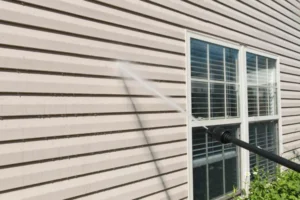
Every exterior painting project should begin with a thorough power wash. Salt deposits, algae, mildew, chalked paint, and dirt all prevent paint from bonding to the surface. On coastal properties in Scituate, Cohasset, and Duxbury, salt accumulation on siding and trim is a real issue that requires proper cleaning before any coating is applied.
Pressure must be matched to the surface. Wood siding requires lower pressure than masonry or concrete to avoid raising the grain or driving water into the substrate. After washing, surfaces need adequate drying time — typically 24 to 48 hours minimum, longer for wood that has absorbed significant moisture.
Scraping, Sanding, and Priming
Any peeling, cracking, or blistering paint must be fully removed before new paint goes on. Painting over failing paint is one of the most common mistakes homeowners and inexperienced contractors make. The new coating will pull away with the old one.
After scraping, bare wood and previously painted surfaces that have been sanded down to bare substrate need primer. Primer seals the surface, improves adhesion, and provides a uniform base for the topcoat. On older homes throughout Norfolk County and Plymouth County, where lead paint is common, scraping and sanding must follow EPA RRP (Renovation, Repair, and Painting) guidelines. South Shore Painting Contractors is trained and equipped for lead-safe work practices on pre-1978 homes.
Addressing Rot, Damaged Trim, and Clapboard Before Painting
Painting over rotted wood does not fix it — it hides it temporarily and makes the problem worse. Any rotted clapboard, window trim, corner boards, or fascia should be repaired or replaced before painting. Pairing carpentry work with an exterior paint project is the correct sequence and the only way to ensure the finished product holds up. A fresh coat of paint on sound, properly prepared surfaces will outlast the same paint applied over deteriorating wood every time.
CHOOSING THE RIGHT PAINT FOR SOUTH SHORE CONDITIONS
The coating you choose has a direct effect on how long the finish lasts and how well it holds up to the specific stressors of coastal Massachusetts.
Coatings That Resist Salt Air, UV, and Moisture
For homes in coastal towns like Hingham, Marshfield, and Plymouth, a 100 percent acrylic latex exterior paint is the standard recommendation. Acrylic latex expands and contracts with temperature changes, resists moisture penetration, and holds color better than alkyd or oil-based alternatives under UV exposure. Look for formulas with built-in mildewcide, which is particularly important in humid, shaded areas where algae and mildew take hold quickly.
Sherwin-Williams Duration, Emerald Exterior, and Benjamin Moore Aura Exterior are among the premium products that perform well in New England coastal conditions. These are self-priming formulas with higher solids content, which means better coverage and a thicker, more durable film.
Color Selection and UV Fade
Darker colors absorb more heat and fade faster under UV exposure. On south- and west-facing walls, this is especially noticeable. If you are choosing a deep or saturated color, selecting a paint line with advanced fade resistance is worth the additional cost. Lighter neutrals — warm whites, soft grays, and greiges — have long been popular on South Shore homes for practical as well as aesthetic reasons. They reflect heat, fade more slowly, and complement the natural surroundings of the region.
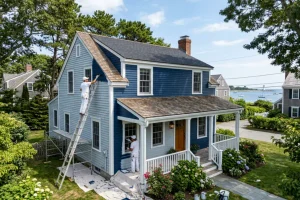
What exterior colors make a house look expensive? Clean, high-contrast combinations tend to read as polished and well-maintained. A warm white or light gray body with a deep charcoal, navy, or black trim is a classic combination that photographs well and holds strong curb appeal. Coordinating the front door color with the trim or shutters pulls the look together. South Shore Painting Contractors offers free color consultations to help homeowners work through these decisions with confidence.
EXTERIOR PAINT LIFESPAN AND THE ROI OF PROFESSIONAL PAINTING
A professionally applied exterior paint job on a properly prepared home typically lasts 8 to 12 years in Massachusetts. The exact lifespan depends on the quality of the paint, surface preparation, sun exposure, moisture levels, and your home’s proximity to the coast. Homes exposed to salt air and strong coastal winds often require repainting sooner than those in more sheltered locations.
While premium paints offer excellent durability, surface preparation is what determines long-term performance. Washing, scraping loose paint, sanding, repairing damaged siding, sealing gaps with quality caulk, and priming bare surfaces all help create a finish that resists peeling, cracking, and moisture intrusion.
How Much Paint Does a 2,000-Square-Foot House Need?
Most 2,000-square-foot homes require approximately 12 to 20 gallons of exterior paint, depending on the home’s design, siding material, number of stories, and whether multiple coats or accent colors are used. Professional estimates measure the home’s actual paintable surface area—not just floor space—to accurately determine material needs and project costs.
Why Professional Painting Delivers Better Long-Term Value
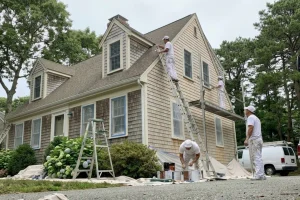
Choosing the right season to paint is only part of the equation. Professional painters also evaluate surface moisture, repair damaged substrates, monitor weather conditions, and apply products according to manufacturer specifications. These steps help maximize paint life, reduce future maintenance, and protect your home’s exterior from New England’s demanding climate.
Although professional painting has a higher upfront cost than DIY, it often delivers a lower long-term cost of ownership by reducing premature repainting and helping prevent expensive repairs caused by moisture damage and wood rot.
Boosting Curb Appeal and Home Value with South Shore Home Painting
Exterior painting remains one of the highest-value home improvement projects for both curb appeal and property protection. A clean, freshly painted exterior immediately improves first impressions and gives buyers confidence that the home has been well maintained.
For homeowners across the South Shore—including Hingham, Duxbury, Quincy, and surrounding communities—a professionally painted exterior not only enhances appearance but also protects siding, trim, and other exterior materials from moisture, UV exposure, and seasonal freeze-thaw cycles.
Whether you’re preparing to sell or simply protecting your investment, painting at the right time and using proper preparation helps maximize both the lifespan of the finish and the value of your home.

Schedule Your Exterior Home Painting Estimate Today
The best time to paint the exterior of a house in Massachusetts is also the busiest season for professional painters. If you’re planning to refresh your home’s exterior, scheduling early gives you the best chance of securing ideal weather conditions and your preferred project timeline.
At South Shore Painting Contractors, we provide professional exterior house painting services for homeowners and businesses throughout Quincy, Braintree, Weymouth, Hingham, Scituate, Cohasset, Marshfield, Duxbury, Plymouth, Brockton, Milton, and surrounding South Shore communities. Our experienced team uses premium coatings, thorough surface preparation, and lead-safe practices to deliver durable, long-lasting results that withstand New England’s coastal climate.
Whether your home needs a complete exterior repaint or you’re addressing peeling, fading, or weather damage, we’re here to help. Contact South Shore Painting Contractors today to schedule your free exterior painting estimate and complimentary color consultation, and let our team help protect your investment while enhancing your home’s curb appeal for years to come.
FREQUENTLY ASKED QUESTIONS ABOUT SOUTH SHORE HOME PAINTING
What is the best month to paint the exterior of a house in Massachusetts?
For most homeowners, September offers the most reliable painting conditions. Mild temperatures, lower humidity, and predictable weather help exterior paint cure properly and last longer. Late August through early October is generally the ideal window for exterior painting on the South Shore.
Is October too late to paint a house exterior?
Not necessarily. Early October is often an excellent time to paint if temperatures remain within the paint manufacturer’s recommended range. As overnight temperatures approach freezing, however, curing slows, and the risk of adhesion problems increases, making weather monitoring essential.
What are the best weather conditions for exterior house painting?
The ideal conditions are 50°F to 85°F, relative humidity between 40% and 70%, low wind, and no rain expected for at least 24 hours. Avoid painting in direct afternoon sun, in high humidity, or on damp surfaces to achieve the longest-lasting finish.
How long does exterior paint last in Massachusetts?
A professionally painted exterior typically lasts 8 to 12 years, depending on preparation, paint quality, weather exposure, and maintenance. Homes near the coast may require repainting sooner due to salt air, moisture, and increased UV exposure.
How do I know if my home has lead paint?
Homes built before 1978 may contain lead-based paint. Before scraping or sanding, have the home evaluated by an EPA RRP-certified contractor who follows lead-safe work practices to protect your family and ensure compliance with federal regulations.
Can you paint a house in hot weather?
Yes, but excessive heat can cause paint to dry too quickly, reducing adhesion and finish quality. Professional painters often work in shaded areas and schedule projects around the sun to achieve a more durable, even finish.
Can you paint a house after it has been pressure washed?
Yes, but the surface must dry completely before painting. Depending on the siding material, weather, and humidity, most homes should be allowed dry for 24 to 48 hours after washing to ensure proper paint adhesion.
Does exterior painting increase home value?
A freshly painted exterior improves curb appeal, protects siding from weather damage, and can increase buyer confidence. It’s consistently considered one of the highest-return exterior home improvements, especially before listing a property for sale.
How often should a house be repainted in Massachusetts?
Most homes need repainting every 8 to 12 years, though wood siding, harsh sun exposure, and coastal conditions may shorten that timeline. Regular inspections help identify peeling, fading, or caulking failures before more costly repairs develop.
Why should I hire a professional exterior painting contractor?
Professional painters evaluate weather conditions, prepare surfaces correctly, use premium coatings, and follow manufacturer specifications. Proper preparation and application help maximize paint lifespan, protect your home from moisture damage, and reduce the need for premature repainting.