Skip to content
In exterior finishes, a flexible, durable coating for stucco protects against cracking and weather damage. Unlike standard exterior paint, it moves with the surface, resulting in a smooth and lasting finish. But what sets this option apart, and how can you avoid common application pitfalls? Understanding these key differences helps you make a more informed choice for your home. Let’s take a closer look at what makes elastomeric paint for stucco so effective.
What Is Elastomeric Paint?

A flexible coating designed to expand and contract with your building’s surface, this option is ideal for exterior painting. Understanding its features and composition can help you make an informed choice for your stucco project.
Definition and Key Features
This high performance coating is designed to protect exterior surfaces, such as stucco, from the elements. Unlike regular paint, it stretches and contracts with surface movement, preventing cracks and peeling. The elastomeric coating forms a thick, weather resistant barrier that seals out moisture and bridges small cracks for a smooth finish. Its UV resistance helps maintain color over time. It is available in various colors and textures. This coating is a long lasting solution for homes exposed to harsh weather.
What Is Elastomeric Paint for Stucco Made Of?
Comprised primarily of acrylic polymers, this coating provides exceptional flexibility and adhesion. These polymers allow it to expand and contract with surface shifts, protecting against cracking. It also includes pigments for color retention, UV blockers for sun resistance, and fillers to improve thickness and texture. Its high solids content creates a durable, waterproof layer, making it a strong choice for long term protection.
Benefits Over Traditional Exterior Paint
This option offers several clear advantages if you’re considering a durable and efficient finish for your exterior surfaces. Unlike standard paint, it adapts to surface movement and creates a lasting barrier against the elements. Here’s a breakdown of how it compares to more conventional choices:
- Expands and contracts with surfaces, reducing cracking and peeling
- Strong adhesion to stucco, masonry, and similar materials
- Excellent moisture resistance, helping prevent mold and mildew
- Fade resistant for longer lasting color vibrancy for your home’s exterior
- Easy to clean, requiring less frequent maintenance and easier upkeep
- Contains fewer VOCs, making it more environmentally friendly and safer for use
Why Use Elastomeric Paint on Stucco?
Understanding what elastomeric paint for stucco is can help explain why it’s ideal for stucco. This high elasticity coating provides superior flexibility and waterproofing, which are crucial for shielding your home from cracks and moisture.
Superior Flexibility and Waterproofing
This type of paint creates a thick, elastic membrane that adapts to your home’s natural movements. Its ability to stretch and contract helps prevent cracking, peeling, and moisture intrusion common issues with standard coatings. This waterproofing capability offers a significant advantage, especially in areas with heavy rainfall or temperature fluctuations. For those with stucco homes, elastomeric paint stucco provides a reliable and long lasting barrier that enhances both appearance and durability in even the most demanding environments.
Protection Against Cracks and Weather Damage
This paint excels in guarding against cracks and extreme weather by forming a flexible layer that moves with the surface. It blocks UV rays, resists chipping, and reduces the risk of water damage, helping to maintain your home’s exterior. Mold and mildew are less likely to develop, and colors stay vibrant longer. You might ask, how long does elastomeric paint last? When applied correctly, it can protect your stucco for 10 years or more, making it a durable and efficient option.
Ideal Conditions for Application on Stucco Surfaces
For best results, apply this coating during mild temperatures, between 50°F and 90°F, avoiding direct sunlight and rain. The surface must be clean and dry, and the humidity level should be between 30% and 70%. Proper conditions ensure optimal adhesion and finish, contributing to longer lasting performance. Taking these steps during application helps ensure the coating cures evenly and delivers the protective benefits it’s known for, all while preserving the integrity and appearance of your home’s exterior.
How Long Does Elastomeric Paint Last on a Stucco Surface?
When you choose a high performance paint for your stucco, you’re likely wondering how long it will last. The average lifespan of elastomeric coatings can vary based on several factors, including weather conditions and maintenance. Recognizing the signs that it’s time to recoat can help keep your stucco fresh and protected.
Average Lifespan of Elastomeric Coatings
Depending on application quality and environmental conditions, elastomeric coatings typically last between 10 to 20 years. These coatings provide a flexible, waterproof barrier, preventing moisture, cracking, and peeling. While they outperform regular paints in longevity, routine maintenance, such as inspections and cleaning, is essential to maintain their durability and appearance over time.
Factors That Affect Durability
Several elements can influence how long a protective coating remains effective on stucco. Understanding these can help you extend the lifespan of your exterior finish and avoid premature repainting.
- Paint Quality – Higher grade formulas with superior resins and additives resist cracking and fading longer.
- Surface Preparation – Proper cleaning and priming are essential for good adhesion and lasting results.
- Environmental Conditions – Extreme temperatures, UV exposure, or heavy rainfall can accelerate wear and tear.
- Stucco Type – Older or more porous stucco can absorb moisture, weakening the bond over time.
- Maintenance – Regular inspections and timely repairs can significantly improve long term performance.
Signs It’s Time to Recoat
Even durable coatings need attention over time. Watch for these common signs that indicate your stucco exterior may need a fresh application.
- Peeling or flaking indicates a breakdown in adhesion and loss of protection.
- Fading or Discoloration – Dull, washed-out colors suggest UV wear or surface erosion.
- Cracks in Paint – Even minor cracking allows moisture to penetrate and cause damage.
- Mold or Mildew Growth – Signals that moisture resistance is failing with time.
- Texture Changes – Rough, chalky, or brittle surfaces point to coating deterioration.
Elastomeric Paint vs. Regular Exterior Paint
Choosing the right paint for stucco involves evaluating its longevity, water damage resistance, and required maintenance. Here’s a comparison of this flexible exterior coating and regular exterior paint to help you make an informed decision.

Performance and Longevity
This flexible, high performance coating offers superior durability, expanding and contracting with surface movement to prevent cracks and peeling. It outlasts traditional paints, providing long term adhesion and protection for up to 10 years. Ideal for homeowners seeking a low maintenance, long lasting exterior solution, it stays vibrant and smooth longer than regular paint.
Moisture Resistance Comparison
Moisture resistance is where this advanced coating truly excels. It forms a thick, waterproof barrier that flexes with temperature changes, preventing water from seeping into cracks or porous stucco. Unlike regular paint, which absorbs moisture over time, this coating remains intact in high humidity or rainy climates, protecting against mold, mildew, and damage.
Cost Effectiveness in the Long Run
Though this coating has a higher upfront cost, its durability results in fewer touch ups and longer intervals between repaints. It resists water damage, lowering maintenance costs over time. With a lifespan of up to 10 years or more, this coating offers significant long term savings, making it a smart investment for your home.
Common Mistakes to Avoid with Elastomeric Stucco Painting
When painting with elastomeric stucco, mistakes can easily ruin your project. You should avoid over or under applying the paint and painting in unsuitable weather conditions. Also, remember to handle any necessary repairs before you start, or you may end up with a less than perfect finish.
Over application or Under application
Using too much of this high performance coating can trap moisture, causing blistering and peeling. Too little won’t provide adequate weather protection. Always follow the manufacturer’s instructions and apply two to three even coats, allowing each coat to dry completely. The balanced application ensures long lasting durability and a finish that stands the test of time.
Applying in the Wrong Weather Conditions
Weather plays a crucial role in applying this coating. Avoid extreme heat, cold, or high humidity, as these conditions can interfere with proper curing and adhesion. Ideal temperatures range from 50°F to 90°F, with humidity below 85%. Always check the forecast to prevent rain or wind from affecting your project.
Skipping Repairs Before Painting
Painting over a damaged wall without repairs leads to future problems. Cracks and holes let in moisture, causing bubbling and mold beneath the paint. Always inspect the surface and fix imperfections before painting. A properly repaired base ensures better adhesion, longer lasting results, and less maintenance in the long run.
Elastomeric Paint for Stucco Maintenance and Upkeep
Proper maintenance of elastomeric coated stucco ensures its longevity. Learn the best cleaning methods, when to inspect or touch up, and tips for repainting to keep your home looking its best.
How to Clean Elastomeric Coated Stucco
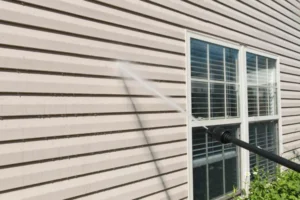
Regular power washing is crucial to maintaining elastomeric coated stucco. Start by gathering a soft. bristle brush, mild detergent, water, and a garden sprayer. Rinse the surface to remove debris, then mix detergent with water for a thorough scrub.
Gently pressure washing the stucco in circular motions, focusing on stained areas. Rinse thoroughly using a garden hose or a sprayer, ensuring no soap residue remains. For mold or mildew, use a bleach water solution, then rinse again. Clean at least once a year to preserve its appearance and prevent buildup, ensuring lasting vibrancy.
When to Schedule Inspections or Touch ups
Regular inspections are essential to preserving elastomeric paint. Inspect at least annually for signs of wear, cracking, or fading, especially after extreme weather conditions. Areas exposed to harsh elements may need more frequent attention. If you notice peeling or discoloration, plan for touch ups promptly. Additionally, check for mold or mildew in damp spots and address it immediately. Keep a record of inspections and maintenance to monitor the paint’s condition over time. Proactive inspections and touch ups will ensure your high elasticity paint stays durable and visually appealing for years.
Repainting Tips After Several Years
After several years, it’s essential to assess the condition of your stucco coat and know when to repaint it. Here are key steps for a successful repainting process:
- Inspect the Surface: Check for fading, peeling, or cracking.
- Clean the Surface: Use a pressure washer to remove dirt and loose paint.
- Check Weather Conditions: Repaint on a dry day with mild temperatures.
- Touch Up or Repaint: Consider touching up faded areas or repainting if necessary.
- Use Elastomeric Paint: Stick with elastomeric paint for optimal protection and flexibility.
- Apply Primer: Use primer for stained or patched areas for better coverage.
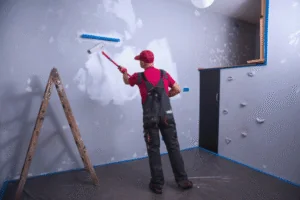
- Apply Even Coats: Use a high quality roller or sprayer for an even finish.
- Allow for Drying Time: Ensure you allow enough drying time between coats.
By following these steps, you’ll ensure lasting protection and a fresh appearance for your home.
FAQs About Elastomeric Paint and Stucco
You probably have some questions about elastomeric paint and how it interacts with stucco. Let’s tackle these common queries and more to help you make informed decisions.
1. Can you paint over old elastomeric paint?
Yes, you can paint over old paint if the surface is in good condition. Ensure the existing paint is intact, without peeling or cracking. Clean the surface thoroughly before applying a new coat of paint. If switching to a different elastomeric paint, use a compatible primer. Proper surface preparation ensures a durable and attractive finish.
2. Does elastomeric paint trap moisture?
This paint provides a durable barrier against external moisture but doesn’t prevent moisture trapped inside the stucco from causing damage. If humidity is already within the surface, elastomeric paint for stucco can seal it in, leading to potential issues like mold. Ensure proper surface preparation to address any underlying moisture, as this will yield the best results.
3. Is elastomeric paint breathable?
Yes, elastomeric paint is breathable, allowing moisture vapor to escape while providing a watertight seal. This is important for stucco surfaces to maintain proper moisture balance and prevent mold or mildew. Apply high quality paint correctly to maximize its breathability and effectively protect your home’s exterior from moisture related issues.
4. Can elastomeric paint be tinted or color-matched to a specific shade?
Yes, elastomeric paint can be tinted or color matched to suit your aesthetic preferences. Most manufacturers offer tinting options. Bring a color sample to your paint store to ensure an accurate match.
Final Thoughts: Is Elastomeric Paint Right for Your Stucco Home?
Elastomeric paint for stucco is an excellent choice for homes due to its flexibility, durability, and resistance to weather extremes. It helps prevent cracking, peeling, and moisture infiltration while providing UV protection for long lasting color. Although it’s more expensive than traditional paints, its reduced maintenance and enhanced protection may make it a worthwhile investment. Consider your needs and climate to determine if this option is best suited for your home’s exterior. Want a professional finish? Let our expert painters in Massachusetts handle it!